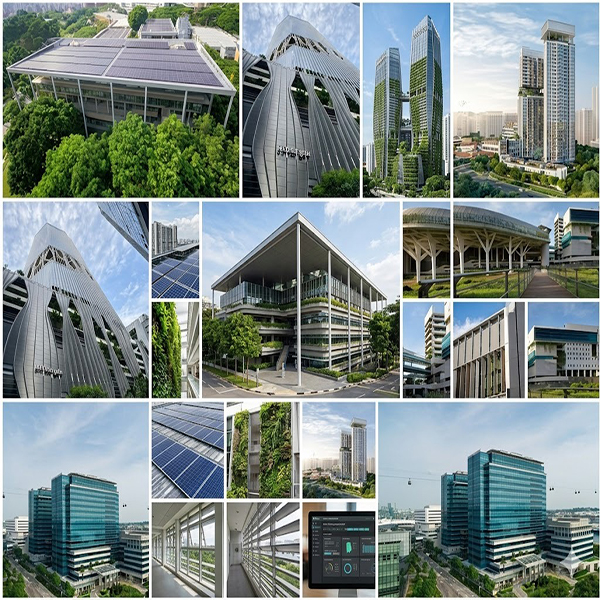

“Launched in February 2021, the Singapore Green Plan 2030 seeks to galvanise a whole-of-nation movement and advance Singapore’s national agenda on sustainable development” In Singapore, the built environment accounts for approximately 20% of national carbon emissions and consumes about one-third (33%) to nearly half of the nation’s total electricity. This is before we consider all the materials consumes and the waste created by this industry. It is not surprising then that the Singapore Green Plan 2030 ear marked the built environment to achieve some significant improvements.
The Singapore Green Plan 2030 set out some targets for the built environment:
- Green 80% of Singapore’s buildings (by Gross Floor Area) by 2030
- 80% of new buildings (by Gross Floor Area) to be Super Low Energy buildings from 2030
- Best-in-class green buildings to see an 80% improvement in energy efficiency (over 2005 levels) by 2030
We’re now about halfway through the Green Plan, and the first Super Low Energy (SLE) Buildings are starting to come online. So how sustainable are they in practice – and what does that mean for the businesses that will occupy them?
As of Recent Data 128 buildings in Singapore have now achieved Platinum SLE certification from the BCA. Of these 23 (18%) are commercial office buildings or are predominantly office space. So as a tenant in Singapore looking for an environmentally friendly sustainable space, how sustainable are these buildings? The truth is they vary significantly and also it really depends on what your expectations for a sustainable building are. As an architect, the minimum I would expect that a super low energy building would include:
- A super well insulated building envelope
- Incredibly efficient HVAC systems (Air con and ventilation)
- Low energy lighting & electrical systems
- Water conservation devices, rainwater harvesting, grey water usage etc.
- Smart control systems to improve efficiency and reduce energy consumption
- On site renewable energy sources supplementing energy needs
While researching this piece, I went through the list of SLE-certified buildings – and was surprised to see one we’d previously occupied. We were in that building throughout its upgrade, and I can say firsthand: it has little, if any, of the features mentioned above.
Having also visited several more super Low E buildings I discover that there are variances on what sustainability measures they actually incorporate. For me most shockingly, most do not address the insulation of the building envelope at all well. So, while they may reduce energy consumption they certainly do little to reduce energy waste.
An 80% energy reduction sounds huge – but it leaves me wondering: what was the 2005 benchmark they’re measuring against?
It is also interesting that the certification is not based on engineering parameters like achieving prescribed U values for the components of building envelope etc. Instead, it is a little greyer which enables loop holes, and as I discovered the system can be exploited by landlords who achieve the certification by passing the onus for the energy saving down the food chain to the tenant.
So, what does the future look like for your business in a Super Low Energy (SLE) Building in Singapore? A word of caution: not all SLE-certified buildings are created equal. Read the tenant fit-out guide carefully – especially the part about your responsibilities for energy use. Then double-check that the building’s power provision can actually meet your operational needs.
We live in an era where our business endeavors, demand ever increasing energy consumption, more devices, more technology and greater digital connectivity. We are also occupying offices for longer hours in response to global work patterns and expected responsiveness to remain competitive. It is at odds with SLE certified building landlords who are setting power budgets and lighting power budgets for tenants as a quick and easy way to achieve the SLE certification.
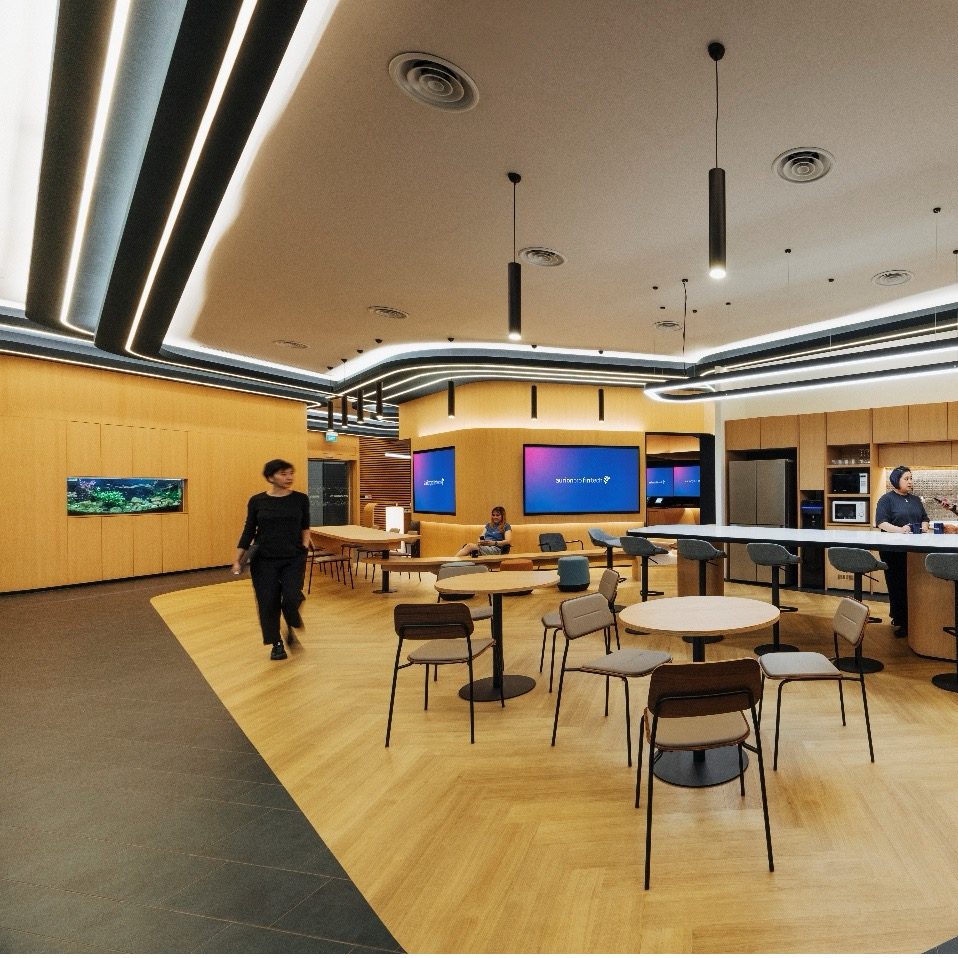
At the end of the day an office building that has insufficient power to meet increasing needs, is too dimly lit, too warm or too cold to be comfortable will take its toll on both occupancy and productivity levels proving ultimately to be unsustainable.
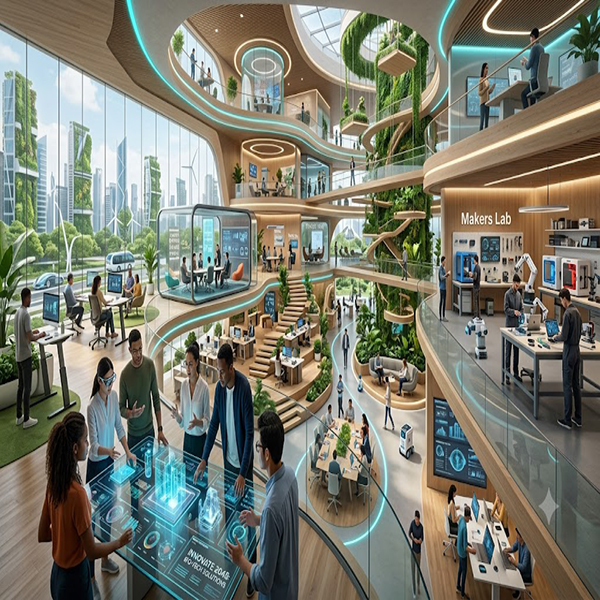
I whole heartedly applaud the Singapore Green Plan 2030 for both its vision and ambition. It reinforces my love of Singapore’s ability to act swiftly and decisively in addressing issues that really matter. However, the implementation may warrant greater consideration to achieve the objectives as intended rather than enabling developers and landlords to broadcast their sustainable credentials at the expense of businesses, productivity and human comfort. It is a huge challenge to build new environments that support our increasingly power-hungry technology adoption while reducing energy consumption. A true super low energy building needs to generate and conserve more energy rather than restrict energy consumption providing comfortable human environments where people and technology can cohabit to maximise efficiency, productivity and innovation.